GSA SER Tier 1 Link Building
Understanding GSA SER Tier 1 Link Building
In the world of automated SEO, GSA Search Engine Ranker stands out as a powerful tool for generating backlinks at scale. However, to avoid penalties and maintain link quality, experienced SEOs structure their campaigns in layers. The first and most critical of these layers is GSA SER tier 1 link building. This foundational approach focuses on creating high-quality, direct links to your money site, acting as a buffer that protects your main domain while still passing valuable authority.
Without a carefully constructed tier 1 setup, a GSA SER campaign can quickly turn into a spam disaster. Tier 1 is not about blasting thousands of random links; it’s about controlled, quality-focused link placement that can withstand algorithm updates. The goal is to build a network of contextual, relevant, and stable backlinks that look natural to search engines.
Why Tier 1 Link Building Matters for GSA SER
Many beginners make the mistake of pointing GSA SER directly at their money site with aggressive settings. This can trigger manual actions or algorithmic devaluations. A dedicated tier 1 layer mitigates these risks by filtering the link juice that flows upward. Here’s why it’s essential:
- Protects your main site from toxic, low-quality link profiles
- Allows you to use stricter filtering on platforms that directly link to your domain
- Builds a secondary network that can boost rankings indirectly through powerful tier 2 blasts
- Provides full control over anchor text distribution and content relevance
How to Set Up an Effective Tier 1 Strategy

Building a robust tier 1 layer requires meticulous planning. Every link pointing to your money site affordable GSA SER verified lists must meet strict criteria. Follow these steps to ensure your GSA SER tier 1 link building delivers sustainable results.
1. Curate a Clean Target List
Avoid auto-generated lists. Start with verified platforms that allow manual-looking submissions. Focus on:
- Web 2.0 blogs with unique content
- High-DA article directories and social bookmarks
- Contextual platforms like Wikis, document sharing sites, and relevant forum profiles
- Guest post opportunities, even if automated carefully
2. Use High-Quality, Unique Content
Spun or low-readable content has no place in tier 1. Invest in heavily spun, paragraph-level content that reads naturally, or better yet, semi-unique hand-written articles. Each tier 1 property should host at least a few paragraphs of coherent text relevant to your niche.
3. Tighten Your Anchor Text Ratios
For tier 1, the anchor text profile must appear organic. A recommended split:
- 50–60% branded and naked URL anchors
- 20–30% generic and partial-match anchors
- 10–20% exact match anchors, only if they fit naturally
4. Configure GSA SER Project Settings Properly
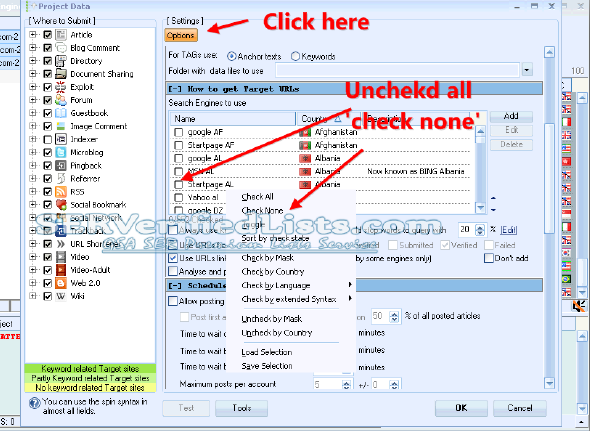
Dedicate a project specifically for tier 1. Slow down the posting speed, limit daily verified links, and enable advanced filters:
- Disallow platforms that require nofollow or are known for spam
- Set minimum PR/DA thresholds for target domains
- Enable proxy and captcha solving to ensure consistent submission
- Use only verified links and avoid instant submission modes
Common Platforms for Tier 1 Links
Not all link types are created equal. When planning GSA SER tier 1 link building, prioritize platforms that allow long-term content retention and offer some inherent authority:
- Web 2.0s: WordPress.com, Blogger, Tumblr, Weebly
- High-quality social networks: Medium, Diigo, Pearltrees
- Document sharing: Scribd, SlideShare, Issuu
- Profile links and niche forums (with real contributions)
- Resource pages and curated directories
Remember, each tier 1 property should be treated as a mini site. Add about pages, contact info, and multiple pages of content to avoid footprints.
The Role of Tier 2 and Beyond
Once your tier 1 layer is established, you can unleash GSA SER’s full power on tier 2 and tier 3 properties. These lower tiers point to your tier 1 assets, not directly to the money site. This creates a buffer that absorbs any algorithmic penalty risk. The beauty of this structure is that you can use lower-quality links and faster submission speeds on tier 2, knowing that if those links get devalued, your tier 1 and main site remain safe.
Monitoring and Maintenance
Tier 1 link building is not a “set and forget†process. Track your verified links regularly and re-verify them after a few weeks. Some platforms remove accounts or pages. Use an indexer to ensure your tier 1 properties get crawled, and occasionally add fresh content to keep them alive. Tools like GSA Indexer or a dedicated pinging service work well.
Frequently Asked Questions
What makes GSA SER tier 1 link building different from normal GSA usage?
Normal GSA usage often involves direct blasting to the money site with minimal filtering. Tier 1 link building restricts the output to high-quality, hand-picked platforms, stricter content standards, and organic-looking anchor texts. It’s a defensive layer that prioritizes longevity over quantity.
Can I use GSA SER for tier 1 without any manual content creation?
While possible with advanced spin syntax and contextual generation, it is not recommended. Purely automated content on tier 1 can still look thin. A hybrid approach—using carefully compiled spun articles with readable sentence blocks—works best if you cannot write manually.
How many tier 1 links do I need per day?
There is no fixed number, but a pace of 10–30 verified tier 1 links per day is typical for a new site. Avoid unnatural spikes. Consistency matters more than volume. Ramp up gradually as the domain ages.
Should I index my tier 1 links?
Yes. Tier 1 properties need to be indexed to pass value. Use a reliable indexing service or your own GSA setup with a passive indexing strategy. Unindexed tier 1 links are a waste of resources.
How do I avoid footprints in my tier 1 network?
Diversify everything: domain providers, IP addresses (use proxies), registration details, templates, and content. Avoid cross-linking between tier 1 properties if they all point to the same money site. Treat each one as an independent entity.
Conclusion
Mastering GSA SER tier 1 link building is what separates scalable, long-term ranking gains from short-lived spikes that end in penalties. By investing time in curating a high-quality buffer layer, you can harness the full automation power of GSA SER while keeping your money site secure. Start slow, prioritize quality assets, and let the lower tiers do the heavy lifting. This tiered methodology remains one of the most resilient strategies in aggressive link building when executed with care.